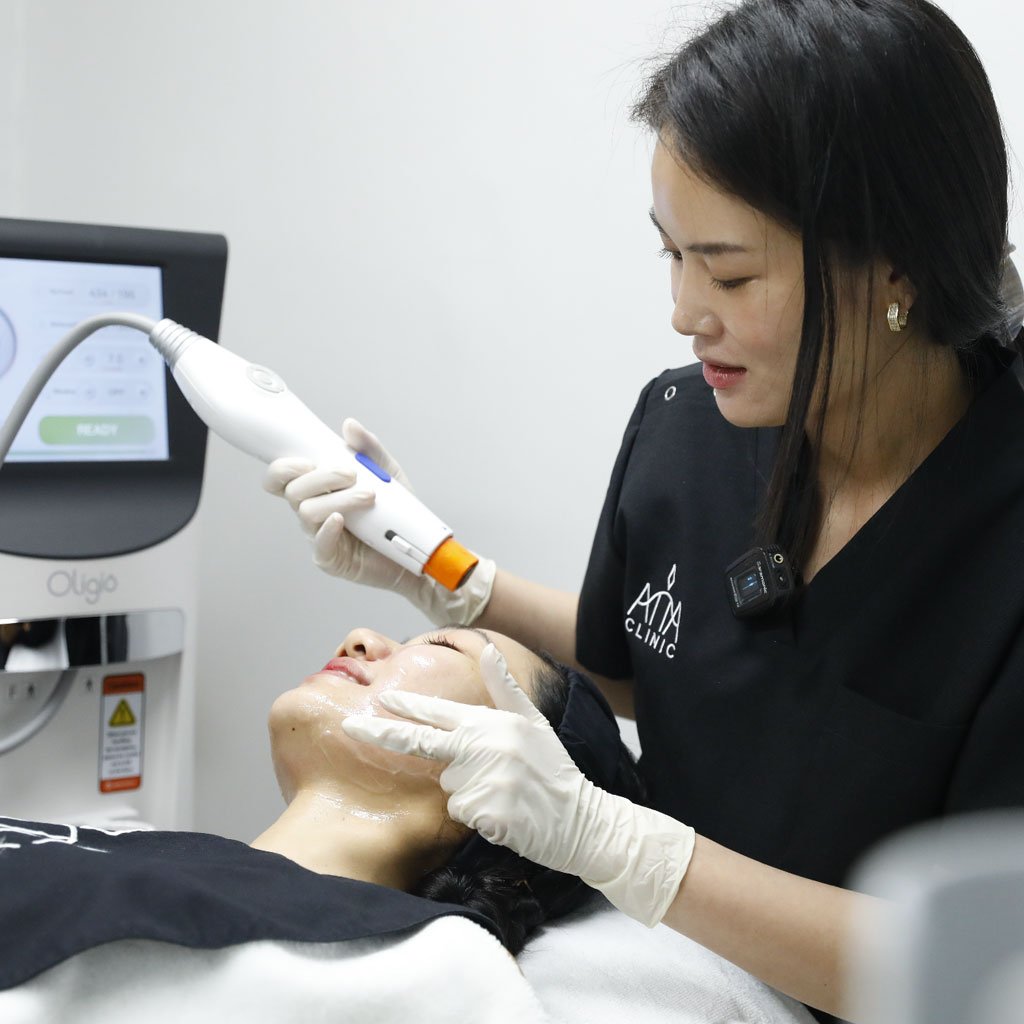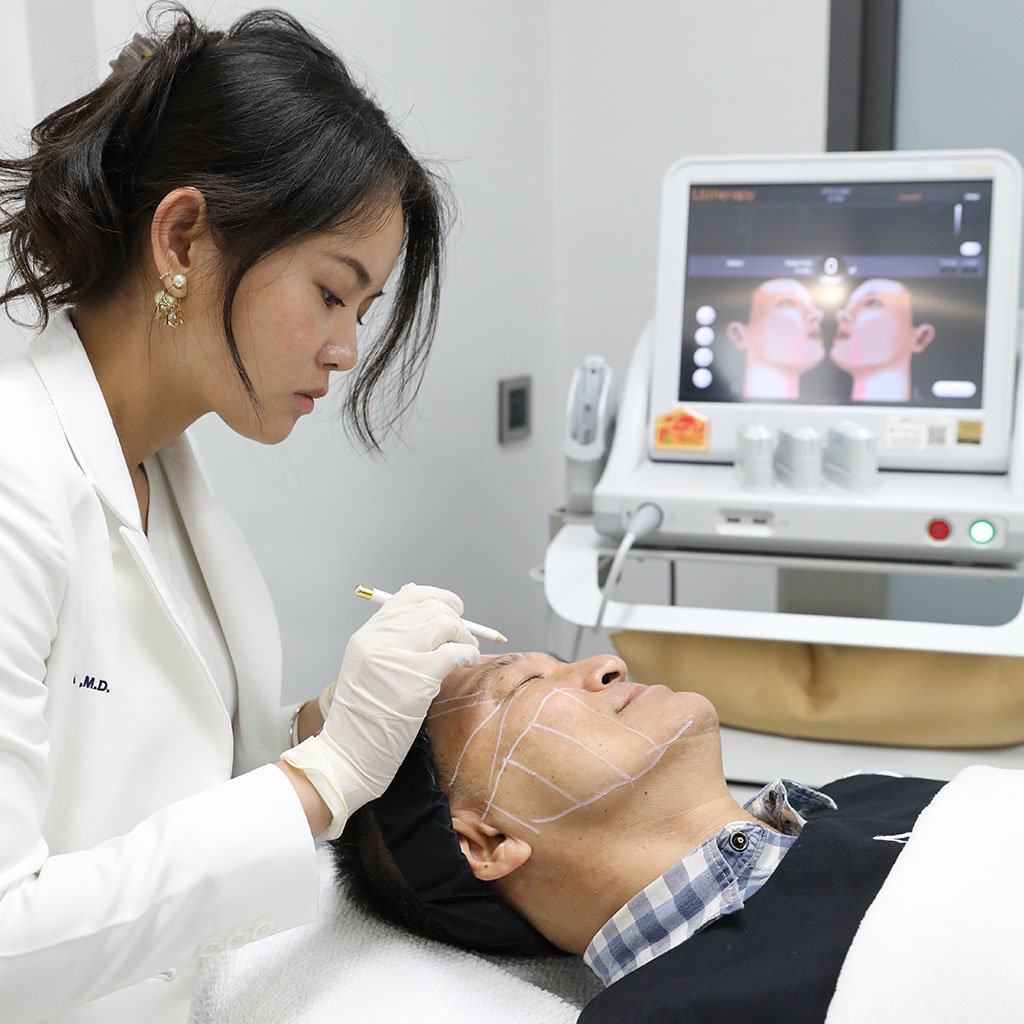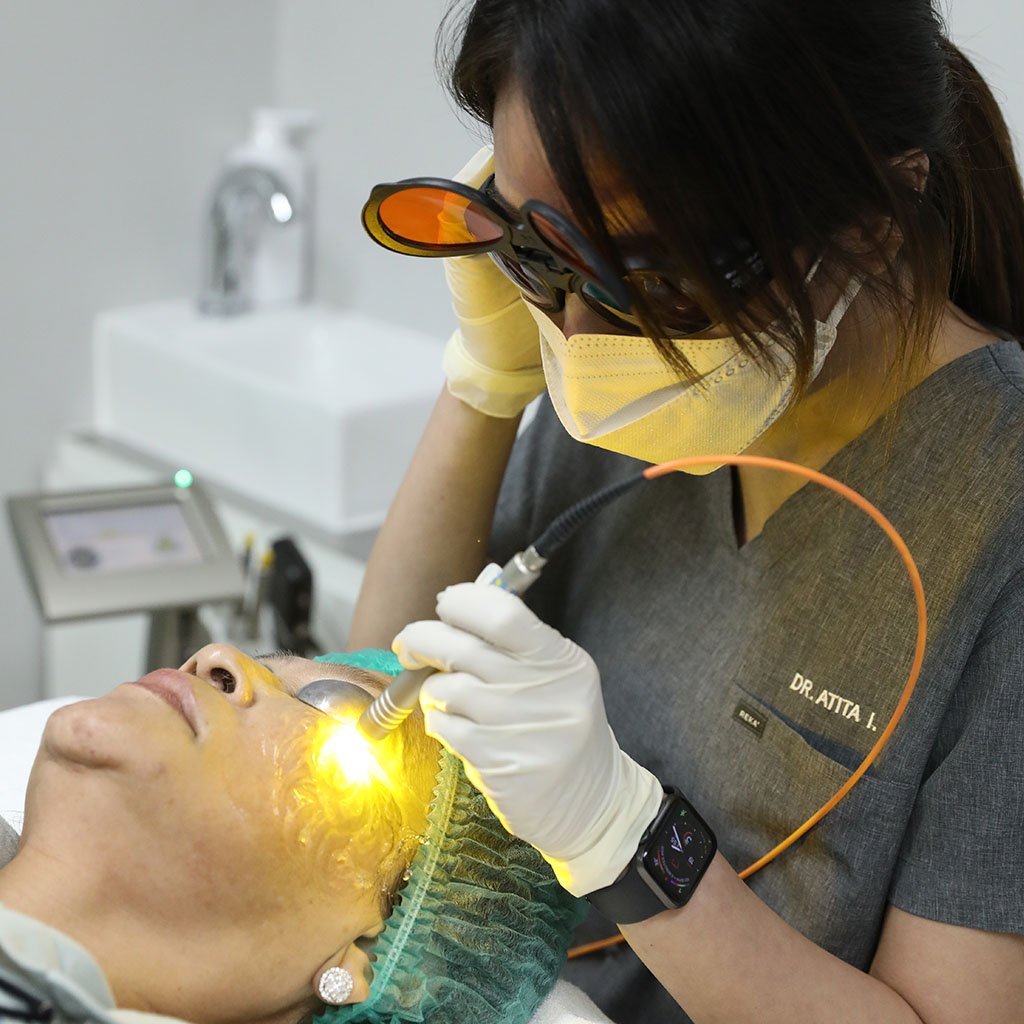
Enhancing Safety and Precision in Filler Injections with ‘Ultrasound’ Technology. Discover how this tool is essential for helping doctors visualize the structures beneath the skin, avoid blood vessels, and place fillers accurately for the best results.
Ultrasound in the filler injection program: How important is it & why do we need it?
One of the most popular procedures is probably the filler injection program that helps lift and adjust the shape of the face. It fills in deep lines, both the smile lines and under the eyes, and helps firm up the overall facial structure. This is ideal for those who have sagging skin and want to maintain their youthfulness. The filler injection program is a favorable option for most, and patients see quick results after the procedure, as the process doesn’t require any recovery time. Your daily life can go on as usual.
However, even though the filler injection program helps fill and correct the wrinkles of your skin, there is a risk of errors occurring, which causes many people to feel afraid or hesitant to undergo the procedure. This fear stems from the potential for mistakes during the injection. If the person who injects the filler lacks the relevant knowledge and experience in the filler injection program, it is considered very dangerous. If injected incorrectly, the filler can enter a blood vessel, which can cause a blockage. This can lead to tissue necrosis, or in the worst-case scenario, even blindness.

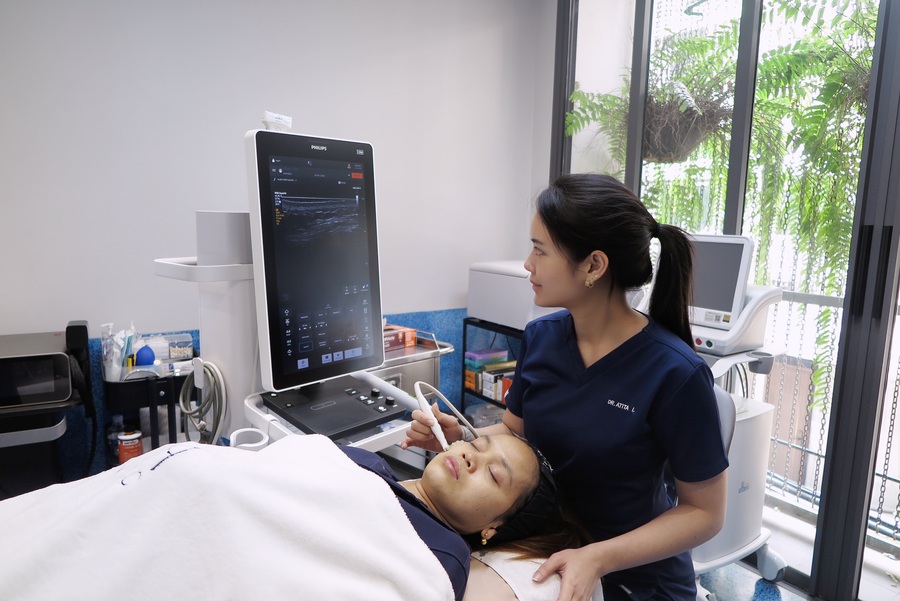
Doctors from across the world have developed methods to help avoid errors in filler injection procedures by incorporating ultrasound technology into the process. This allows doctors and patients to visualize the patient’s facial structure, as well as see the needle and filler in real-time during the procedure, indicating precisely where the injection is taking place. This leads to greater accuracy and precision, ensuring the treatment is targeted to the right location, resulting in satisfactory outcomes and reducing the chances of injection errors.
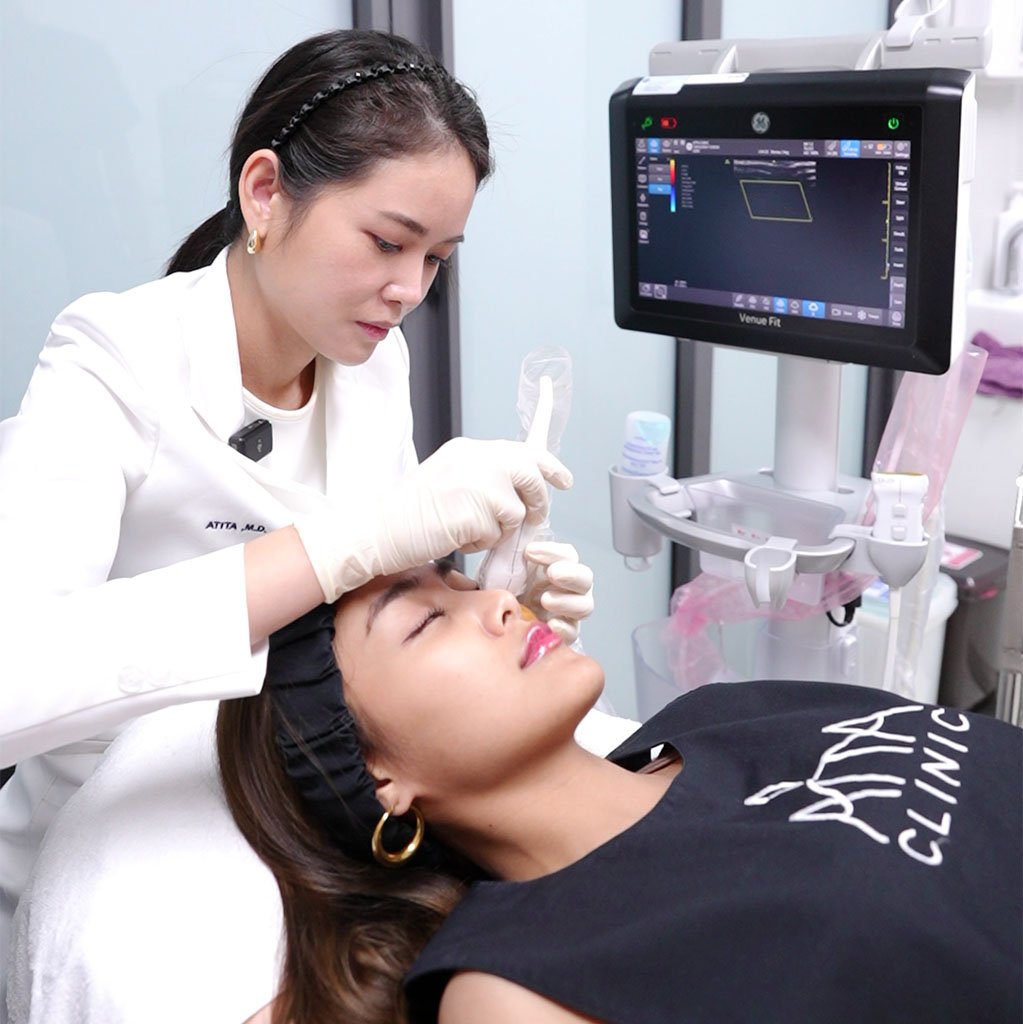
In Thailand, Dr. Atita Inwong, also known as Dr. Sroy, the founder of ATTA Clinic, is a Thai doctor who pioneers the use of Facial Ultrasound techniques in conjunction with cosmetic procedures. Dr. Sroy is a specialist in diagnostic radiology who has long been an expert in using ultrasound to diagnose facial structures. Dr. Sroy also has more than 10 years of experience in cosmetic procedures. Dr. Sroy combines her expertise and experience in using ultrasound techniques to diagnose facial structures and designs a personalized approach for each client to increase the precision of our filler injection programs and non-surgical facelift programs.


Scan-Visible Filler Injection Program at ATTA Clinic
The filler injection program at ATTA Clinic is called “SFIL Program” or “Scan-Visible Filler Injection Program” because Dr. Sroy uses ultrasound techniques to scan and assess the unique facial structure of each individual. This allows us to see the deeper skin layer of the facial structure, down to the bone and tendon layer. This helps place the filler in the desired area for treatment, reducing the chances of any errors.
In addition, the Scan-Visible Filler Injection Program (SFIL Program) also reduces the chances of filler becoming lumpy after injection because too much filler injected in an area that is not suitable for filler injection will cause the injected filler to clump together. Ultrasound allows both the doctor and the patient to see the treatment in real-time during the injection. This ensures that the necessary amount of filler is used according to the individual’s concerns and facial structure. The result is a natural-looking lifted and firm face, with minimal chances of future issues like filler clumping, bumps, or an overfilled appearance.
However, even though ultrasound has begun to be used in conjunction with more cosmetic procedures, it does not guarantee the safety of the filler injection program as much as the specialized expertise and experience of the treating doctor does. This is because even with the use of ultrasound, a lack of skill, knowledge, and proficiency can lead to a misinterpretation of the images and incorrect treatment decisions.
Therefore, those who want to lift and tighten their face and correct defects with the filler injection program should do thorough research before every injection, so that the desired results come with safety and a reduced risk of errors.