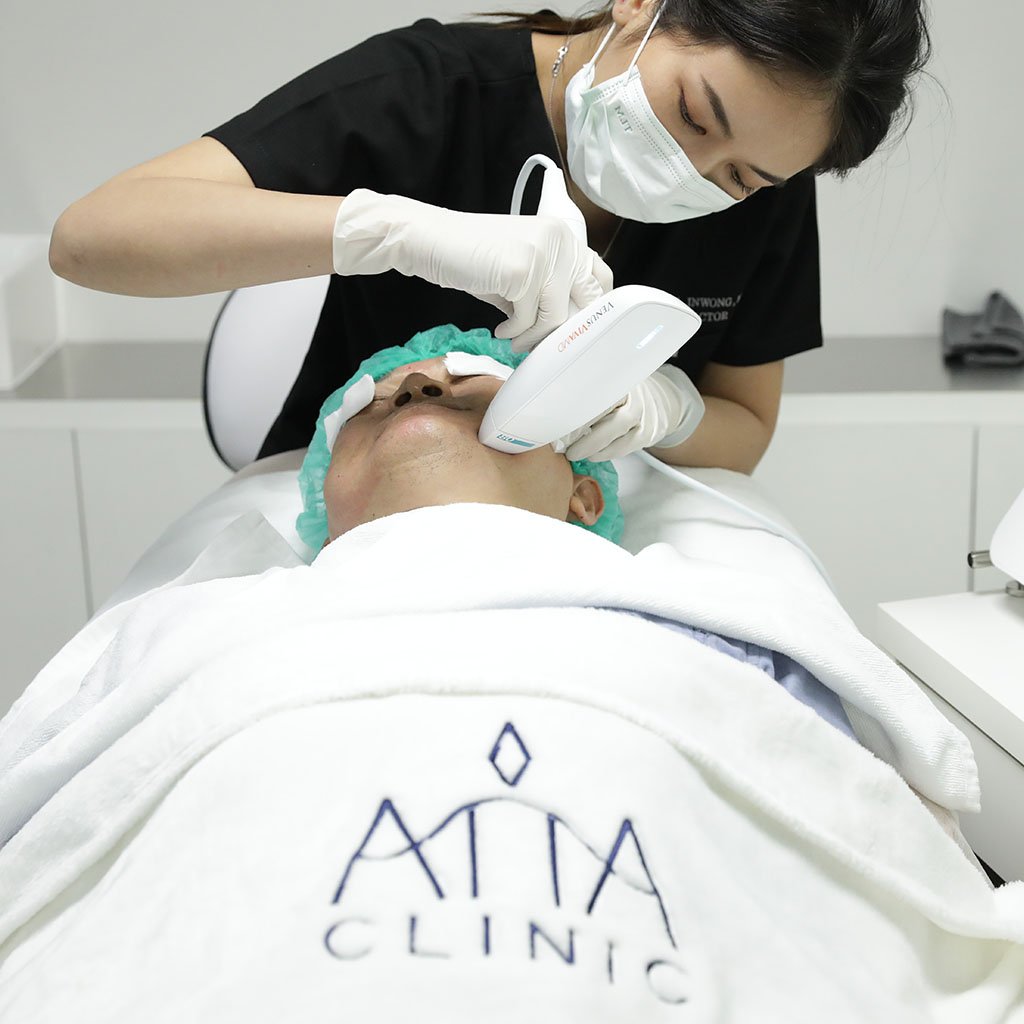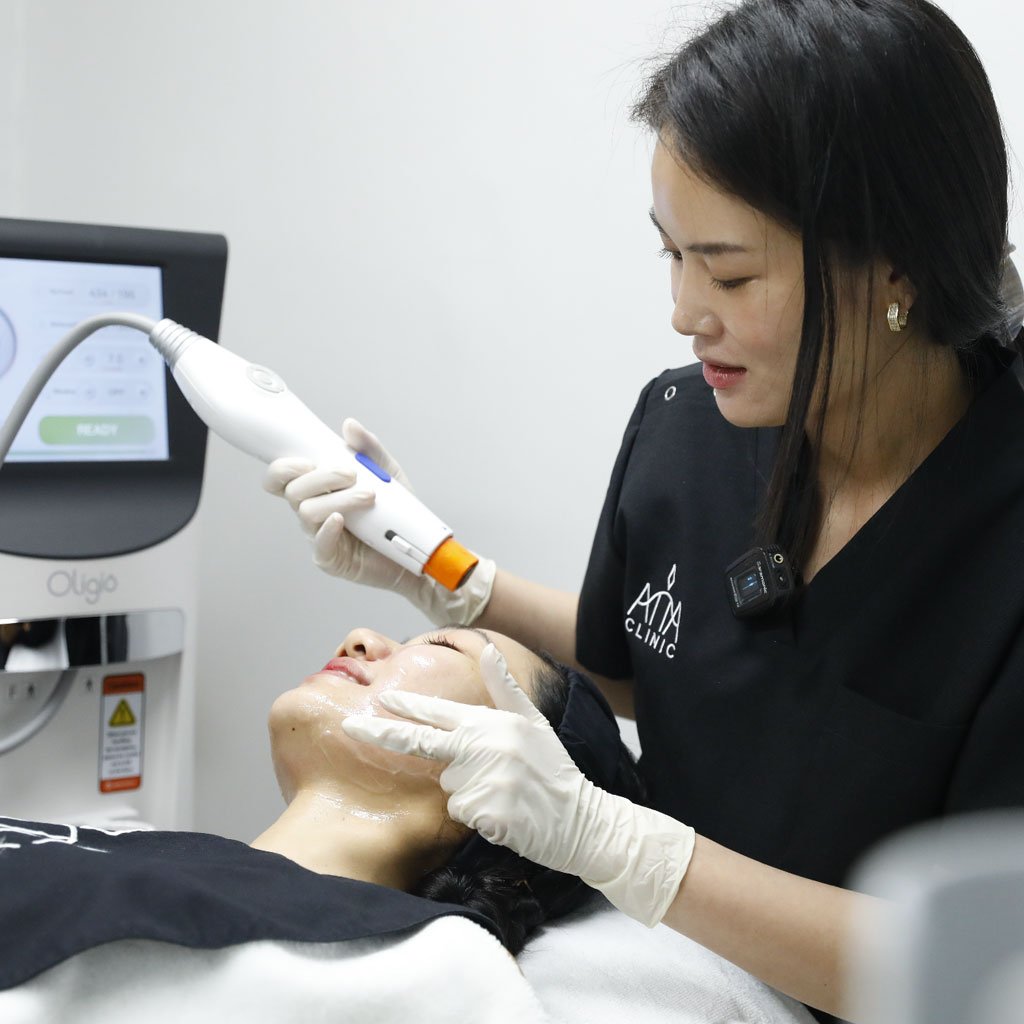
Considering Endolift? Here are the answers to the most frequently asked questions before treatment.
Table of contents
Before deciding to undergo the Endolift facial lifting treatment with fiber laser technology, many people have questions about pain, swelling, safety, and the expected results. This article brings together the most frequently asked questions, along with answers to help you better understand the Endolift treatment.
Q: Is the Endolift procedure painful?
A: Many people assume that Endolift is very painful because it involves inserting a fiber beneath the skin. In reality, the treatment area is numbed beforehand. During the procedure, Dr. Sroy administers local anesthesia to the treatment area and performs the procedure gradually, one area at a time. Most patients experience only pressure or a tightening sensation rather than pain.
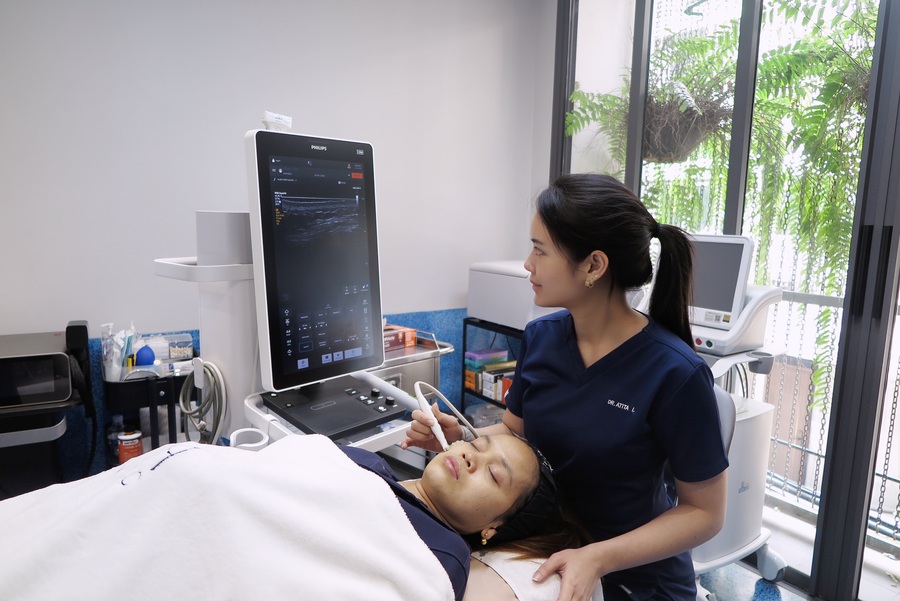
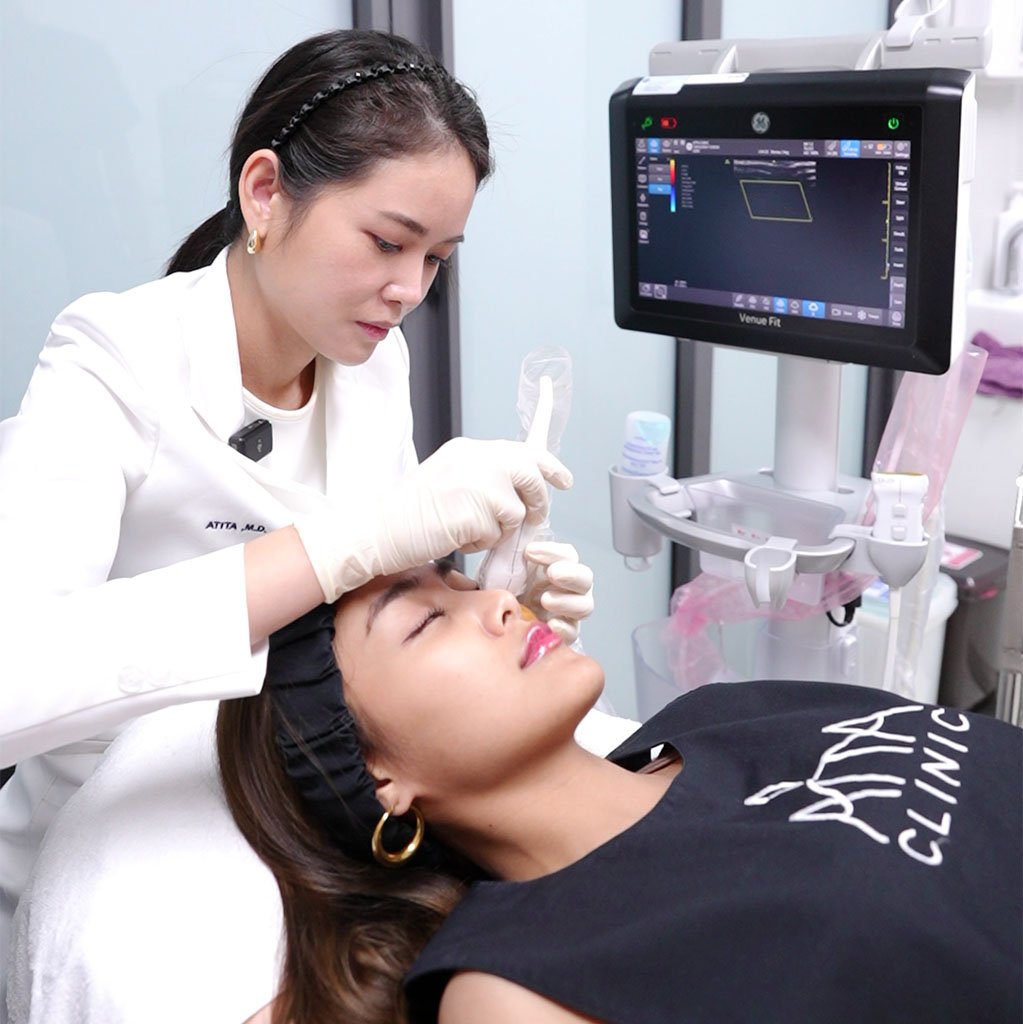
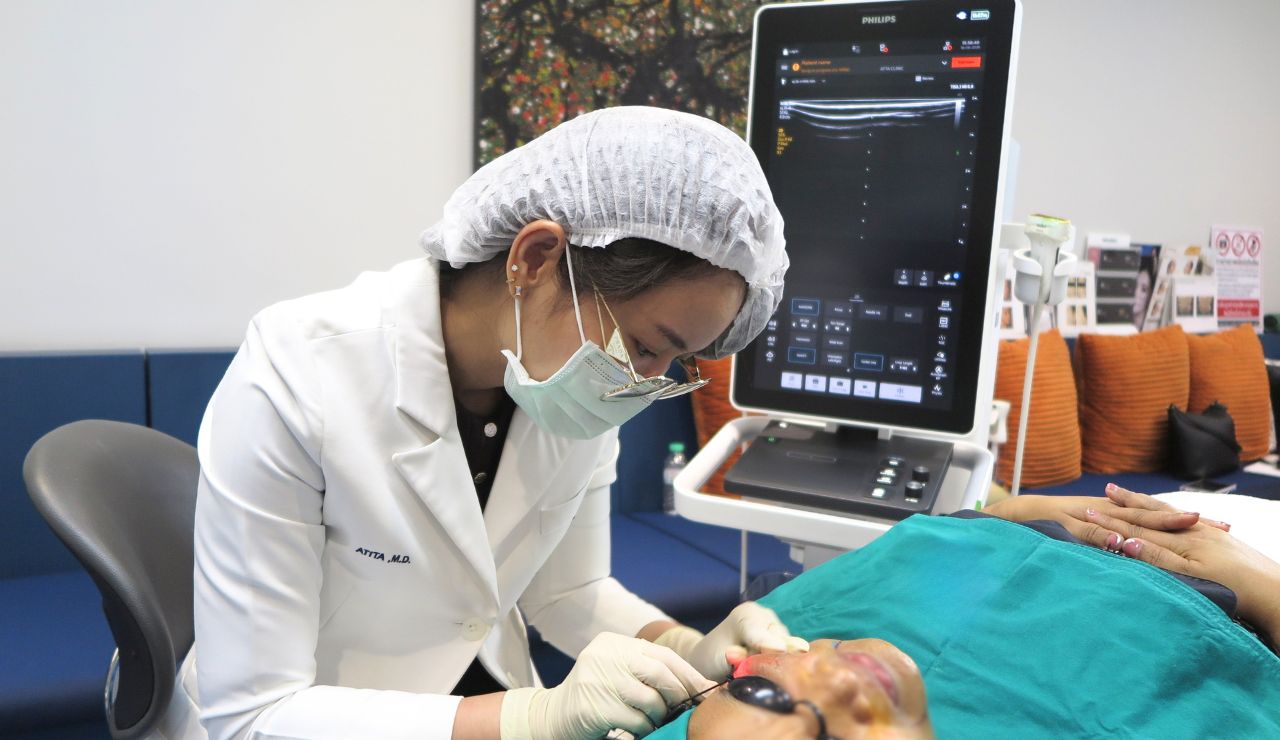
At ATTA Clinic, Dr. Sroy evaluates the facial structure with ultrasound before treatment to plan the procedure, reduce tissue injury, and improve precision. The goal is to deliver an effective treatment while keeping patients as comfortable as possible.
Q: Will I experience swelling after Endolift?
A: Swelling after the procedure is normal. It is part of the body’s natural response to treatment and gradually improves over time.
Many people worry that they will be “too swollen to leave the house,” but most patients can continue their daily activities. Mild swelling, tightness, or bruising may occur during the first few days. Dr. Sroy provides detailed aftercare instructions and follows up with every patient.
Q: I’m worried about facial asymmetry or nerve damage. Is Endolift safe?
A: This is an important question because the face contains many important nerve branches. Endolift is not a procedure that relies solely on experience—it also requires a detailed understanding of facial anatomy.
At ATTA Clinic, Dr. Sroy performs the treatment using ultrasound guidance (Ultrasound-guided) together with her knowledge of facial anatomy to plan the procedure and avoid important structures. Precision is the foundation of safety.
Temporary numbness after Endolift is also normal, as it is considered a minimally invasive procedure. This symptom typically resolves on its own.
Q: Will my face look hollow after Endolift?
A: Many people worry that Endolift will dissolve too much fat and make the face look hollow. In fact, the goal of Endolift is not to remove as much fat as possible, but to tailor the treatment to each individual’s facial structure.
For patients with minimal facial fat, Dr. Sroy may focus more on skin tightening than fat reduction. For those with more localized fat deposits, she may increase fat reduction only where appropriate. A good treatment plan aims to create a more youthful appearance—not a hollow-looking face.
Q: Is Endolift worth it?
A: The answer depends not on the device itself, but on who performs the treatment.
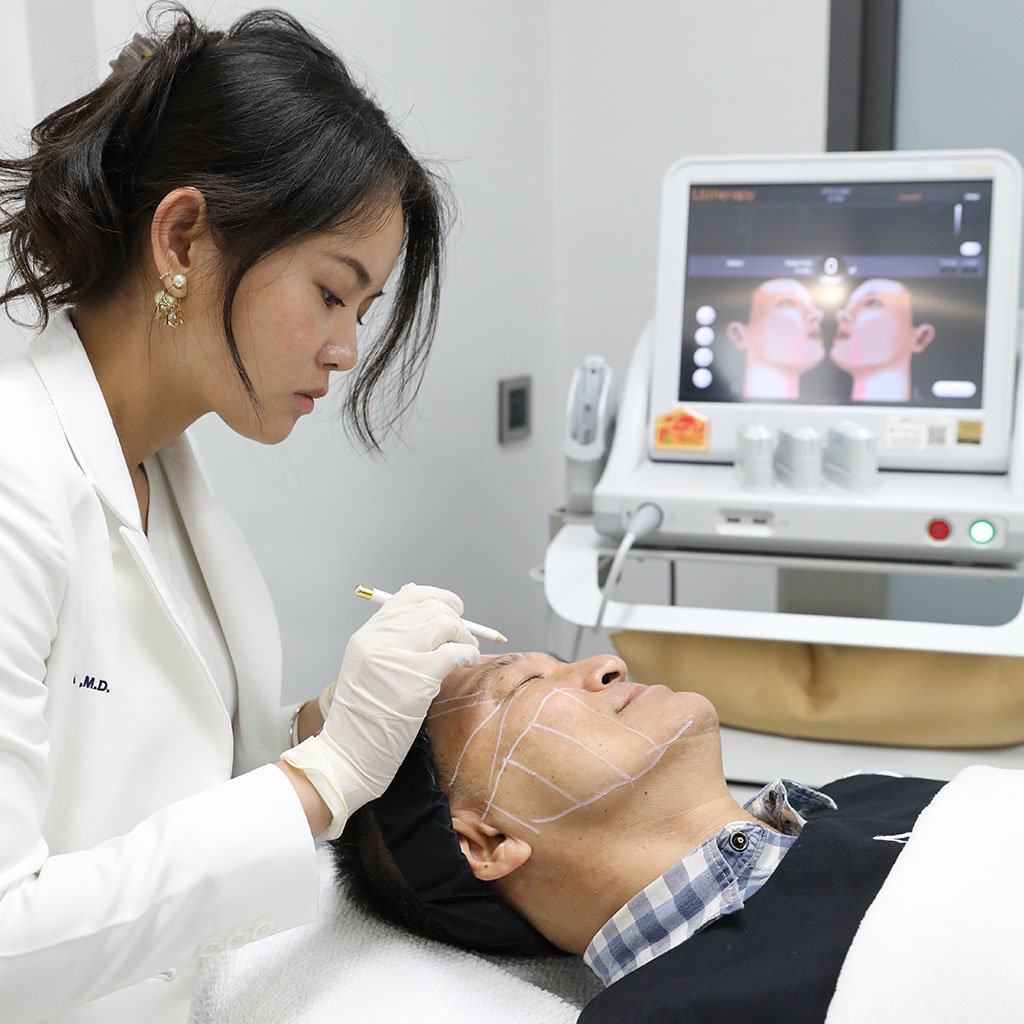
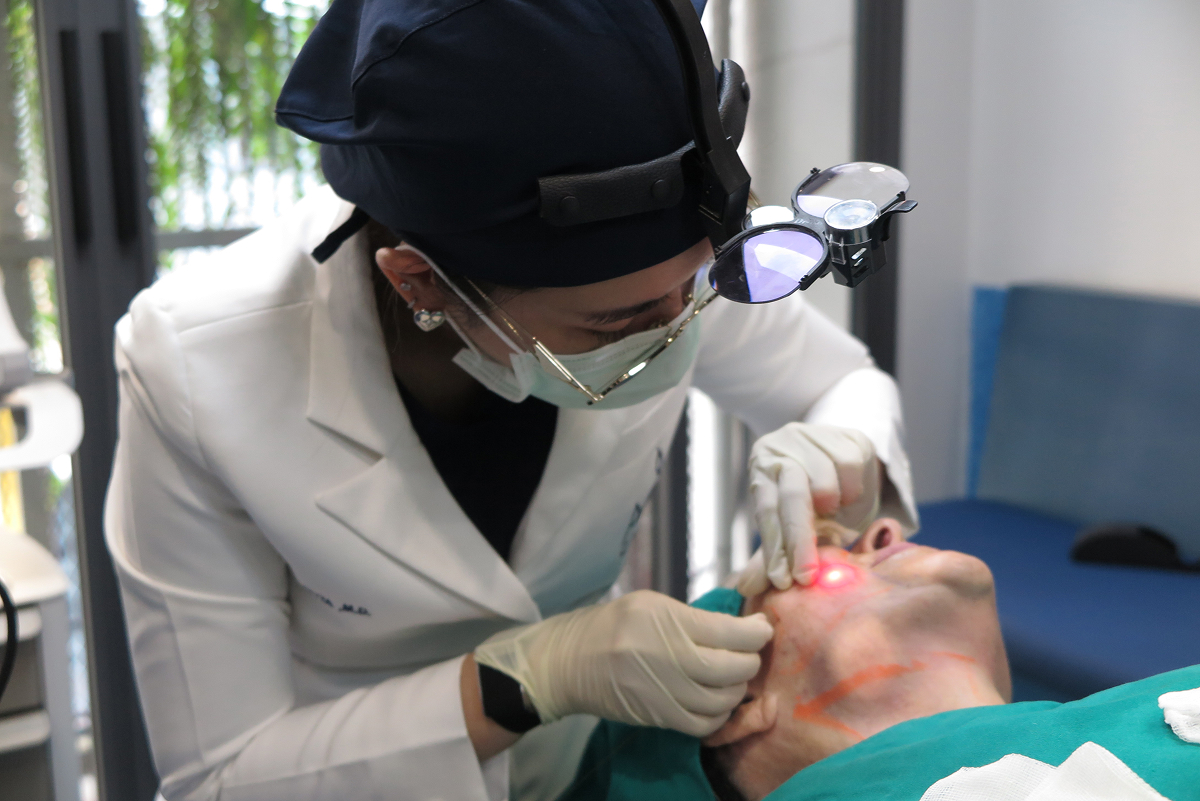
Endolift is an operator-dependent procedure. The treatment outcome depends on the physician’s decisions regarding the treatment layer, energy settings, treatment direction, and facial assessment before the procedure. Even when using the same device, the results can vary.
What patients invest in is not only the device, but also the physician’s knowledge, experience, and treatment planning.
Q: Why is Endolift expensive?
A: Many people compare only the price without considering whether every clinic provides the same level of care.
At ATTA Clinic, Dr. Sroy personally assesses the facial structure, plans the treatment, performs ultrasound-guided treatment with high-frequency ultrasound, and carries out every procedure herself. She also provides follow-up care after treatment.
The treatment is not simply about using a laser—it is about designing a personalized treatment plan to achieve results that best suit each patient’s facial structure.